
Why we invested: Fluencify
Fluencify turns creator marketing from a coordination problem into an always-on growth channel.
.jpeg)
Distribution is the new bottleneck
Something strange is happening to software. It used to be that the hard part was building the product. Now anyone can build one. We've watched this happen up close through our investment in Lovable, where a single person can describe an app and ship it the same afternoon. Great news for founders, with one side effect: when building is easy, everyone builds, and the scarce thing stops being the product and becomes attention.
Attention doesn't scale the way compute does. There are only so many hours people spend on their phones, and the number of products competing for them is exploding. The question that decides who wins is shifting from "can you build it?" to "can anyone find out about it?"
And where people find out about things has moved. Gen Z doesn't discover products through landing pages or banner ads. They discover them from creators, on the platforms they already spend their day on, and increasingly from AI assistants that pull their answers from what real people have posted. The format that wins on every one of those surfaces is the same: a real person, on camera, showing something they actually use.
That's not a new mechanism. The best answer to "how do I find out what's good?" has been the same for as long as commerce has existed: other people. You trust a friend's recommendation more than a company's ad. Edelman's numbers make the point: 80% of people trust "a person like themselves" to tell the truth about a brand, versus 58% for the brand's CEO. User-generated content is this ancient mechanism made into a channel. Users recruit users.
So why doesn't every company run on creator marketing? Because it's a huge pain. Fluencify is building the system that makes it something a brand can simply switch on, and we are extremely proud to be partnering with them.
The path to automating creator marketing
The pain is the kind you only learn by doing the work. Erik Romdhane, Fluencify's CEO, started in creator marketing in his mid-teens and sold an influencer agency at 17 after running campaigns for over 100 brands. What he learned is that the creative part, the part everyone thinks the job is, was the smallest part of the hours. The actual work was finding the right creators among millions, messaging them, chasing the ones who didn't reply, writing briefs, answering questions about the briefs, checking the content, scheduling posts, and paying people across borders. Coordination, not creativity.
Work like that has only ever scaled one way: hiring. A human campaign manager tops out at around 20 creators before quality starts to slip, which is why an agency's output grows exactly as fast as its payroll. Software tools don't fix it either. A dashboard just shows you the coordination work you still have to do yourself. In-house creator teams, the third option, are only available to brands big enough to afford them. Which is why most brands agree creator marketing is the channel, and almost none of them have a dedicated strategy for running it.
But look at that list of tasks again. Matching a brief to a creator's content. Drafting outreach. Handling replies. Answering questions. Checking a deliverable against requirements. Every item is a bounded, conversational task, which happens to be exactly what current AI models are good at. Not the grand version of agents, where you hand a model a goal and it runs your company. The version that works is many small agents, each doing one well-defined job, with structure around them so no single failure derails a campaign. Fluencify calls this agent-native marketing, and the distinction matters: the goal is not to make the coordinator faster, it is to remove the coordinator from the loop entirely. That's what Fluencify built.
There's a decision embedded in this that matters more than it looks: Fluencify sells the outcome, not the tool. It sounds like a business model choice, but it's really a data choice. Because Fluencify runs the whole loop, it sees the whole loop: which creators reply, which content gets approved, which posts convert. Agencies have this knowledge too, but it lives in account managers' heads and walks out the door with them. Software tools never see the outcomes at all. Fluencify captures it systematically, and that's what makes the agents better every cycle.
The ambassador model compounds this. Creators work with brands recurrently rather than doing one-off posts, so relationships persist, briefing costs amortize, creators earn predictably wherever they live, and the matching data gets deeper every round. Creator marketing stops being a campaign you launch and becomes a channel you leave on. The founders are clear-eyed about where the defensibility sits here: the moat is not the software, which anyone can copy, but the creator relationships and the outcome data that accumulate on top of it.
We think this is where marketing departments are heading. Every company selling to consumers or prosumers will need someone who can run creator distribution at volume: who converts for which product in which market, and how to keep thousands of creators producing every week. That person is going to be one of the most important hires in marketing, and they'll need infrastructure, not a spreadsheet.
What does this look like?
For the brand, Fluencify is close to a single prompt: describe the outcome you want from a campaign. From there, agents handle creator discovery and matching, outreach and reply handling, and briefing, fielding creators' questions early in the process. Once creators are confirmed, Fluencify schedules posts and paid boosting, and processes payouts across 85+ countries automatically.
The result is that a brand can run creator marketing continuously, at a volume of creator relationships that would otherwise require a dedicated team. A campaign that took an agency four to seven weeks to get live now goes live in under a day. And where an agency manages roughly 20 creators per person, Fluencify's operators each oversee closer to a thousand. More than 13,000+ active creators are already working on the platform with brands worth $30 billion in combined market capitalization.
Founders
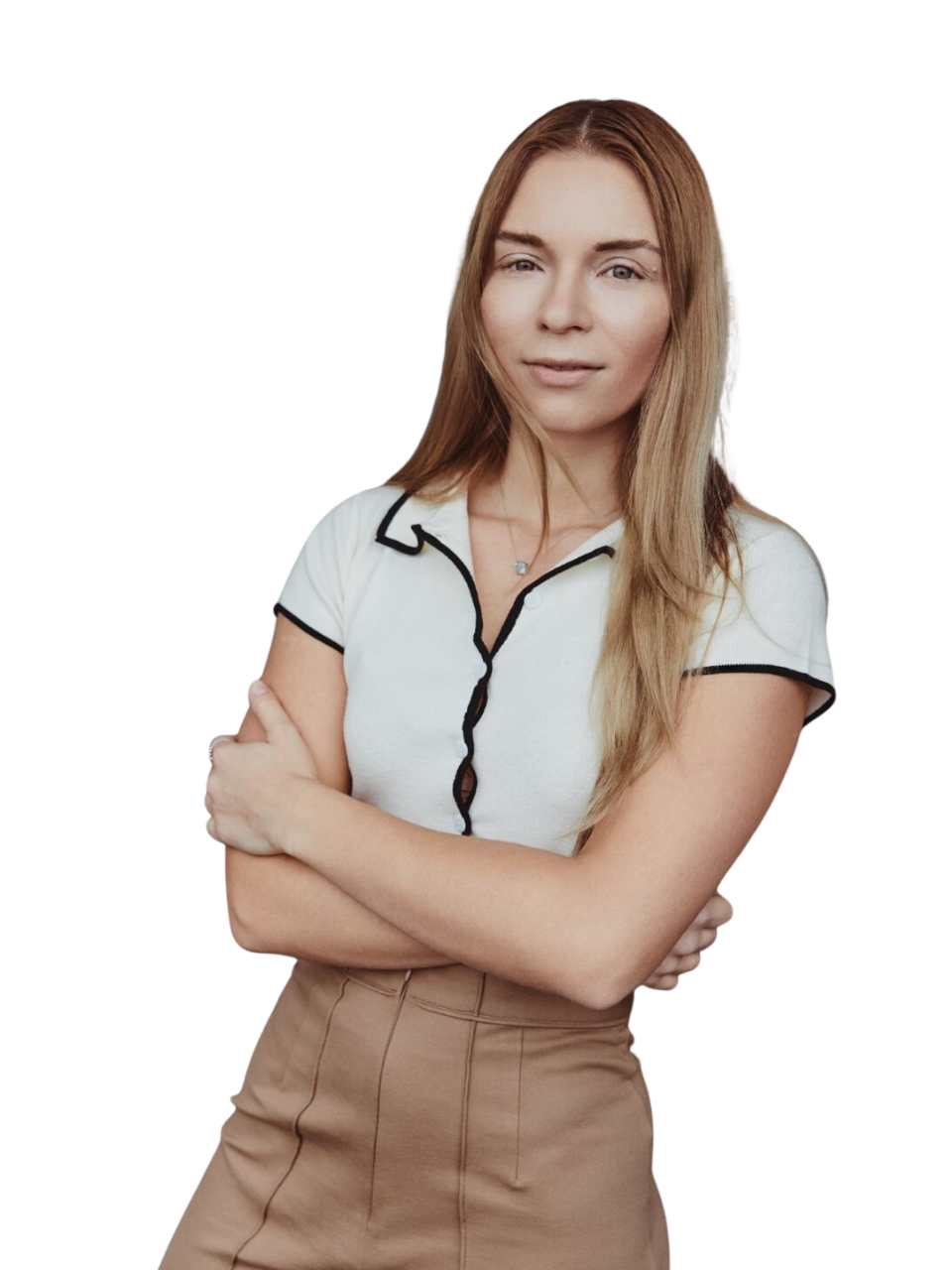
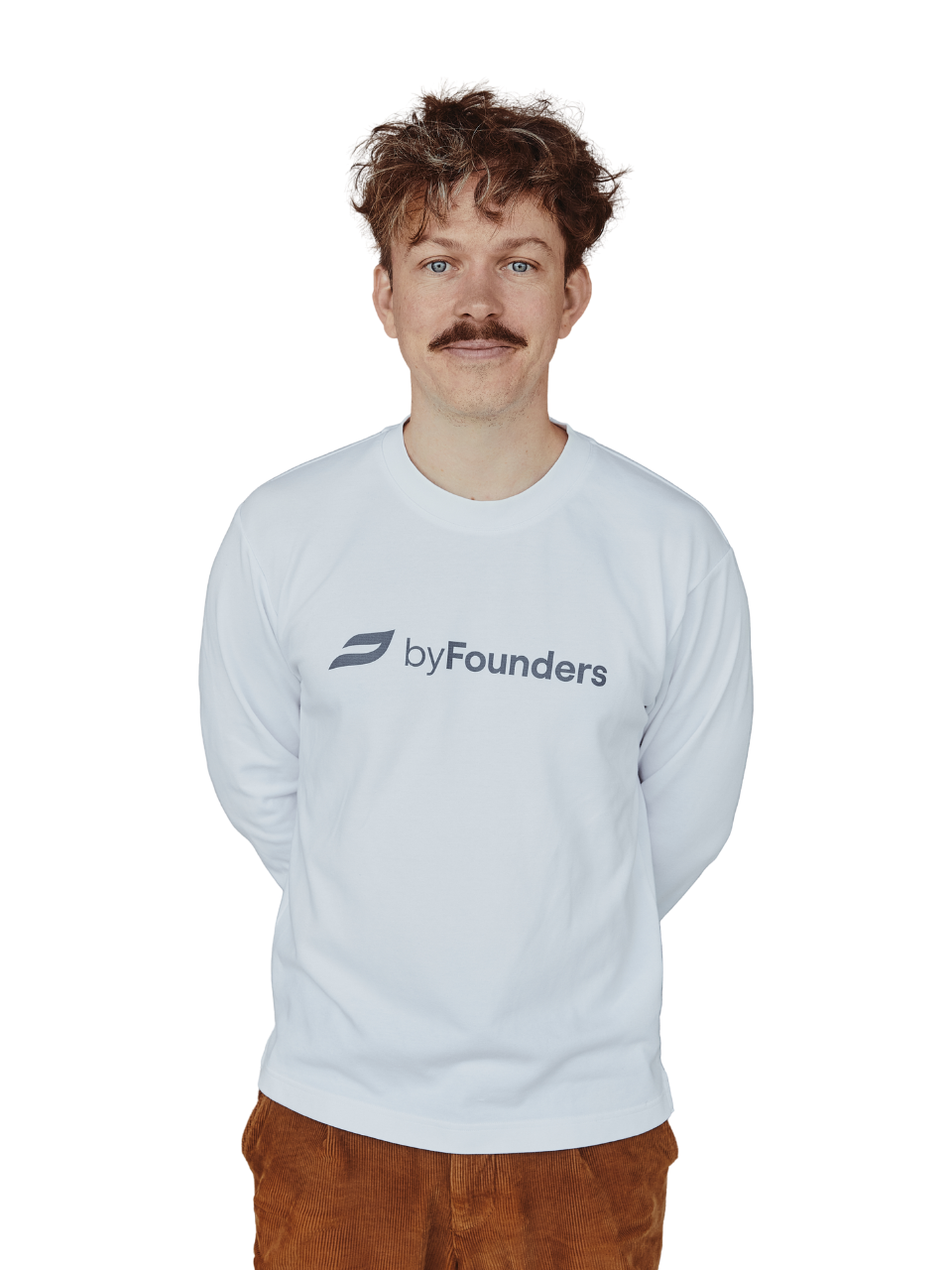
You can't manufacture a founding team like this one, because they've stood on every side of this market. Erik has been the agency: campaigns for over 100 brands before he could vote. Sam has been the creator: over a million followers and 500 million views on Instagram. He and Isaac Norin have been the builders: they founded an AI voice note app together as teenagers, and Isaac built Fluencify's MVP alone in about three months. Founders who have personally felt every side of a market's pain don't need to guess what to build.
It shows in the numbers. Six months after launch, Fluencify passed $2M in ARR, and 96% of the brands that started are still there. Traction like that this early usually means the demand was hiding in plain sight. Everyone knew creator marketing worked; they just couldn't stand doing it.
First steps
We led Fluencify's oversubscribed $4.3M pre-seed together with participation from Wave Ventures.
Fluencify starts as a managed service because that is how you earn the data and the creator relationships. The plan from there is self-serve, then white-label, then the rails that any brand or agency runs creator marketing on. The way to think about the next decade is that products are becoming abundant and distribution is becoming precious. The companies that make distribution programmable will matter enormously. We think Fluencify is one of them.
Welcome to the byFounders community, Fluencify. We are extremely excited to be working with you!
.jpg)

Sign up to our newsletter.
Follow us


